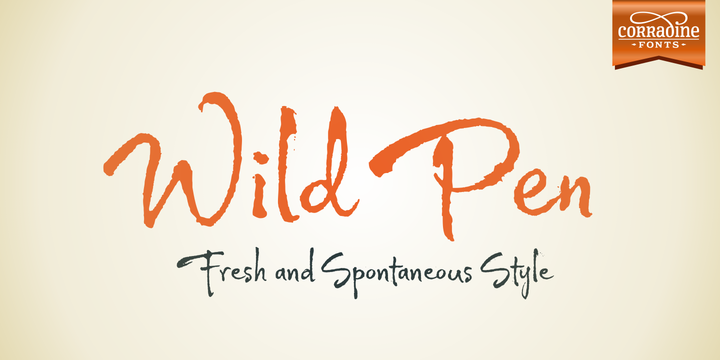
Wild Pen Family: Unlocking Raw Creative Potential
Every creative professional knows the feeling of staring at a blank page, waiting for the perfect idea to strike. That pressure to produce polished work from the outset often stifles innovation. The Wild Pen Family approach offers a different path—one that values immediate, instinctive expression over perfection. It’s not a specific tool or brand, but a mindset and a creative community built around the idea that our most authentic ideas emerge when we silence our inner critic and let the pen move freely. Whether you are a designer, marketer, educator, or hobbyist, this philosophy can transform how you generate, refine, and share your work.
What Is Wild Pen Family?
At its core, Wild Pen Family is a methodology and a supportive network that encourages creators to embrace unpolished, rapid-making as a starting point. The “wild” part refers to the willingness to be messy, experimental, and non-linear. The “family” aspect underscores the collective energy: sharing work-in-progress, celebrating rough drafts, and learning from each other’s leaps. It’s rooted in practices like freewriting, rapid sketching, and brainstorming without judgment, but it goes further by building a sense of accountability and camaraderie around these acts.
This approach works because it lowers the stakes. When you commit to creating something unfinished and intentionally “wild” within a fixed time, you bypass perfectionism. The results often surprise you—fragmented sentences become story seeds; chaotic doodles become design directions. Wild Pen Family is about trusting the process and knowing that refinement comes later.
Who Benefits from the Wild Pen Family Approach?
The beauty of this framework is its versatility. Different professionals can adapt it to their specific goals.
Writers and Bloggers
For anyone who wrestles with writer’s block, Wild Pen Family offers a structured way to break through. Set a timer for ten minutes and write whatever comes to mind—no editing, no worrying about grammar. The goal is volume and flow. Many bloggers use this technique to generate raw material that later becomes fully developed articles. One writer in our circle turned a series of “wild pages” about morning routines into a viral 2000-word post on productivity for remote workers.
Designers and Visual Creators
Designers often fall into the trap of overthinking the first visual concept. Wild Pen Family encourages fast, low-fidelity sketching, even if the lines are messy or proportions are off. A UX designer I work with starts every new project by filling a page with 20 thumbnail ideas in 15 minutes—no erasers, no rulers. That chaotic page almost always contains the seed of the winning solution. The method also works for illustrators, calligraphers, and hand-lettering artists who want to loosen up their style.
Marketers and Content Creators
When brainstorming content themes or campaign angles, marketing teams often get stuck in consensus mode. Wild Pen Family provides a quick-fire format where each person writes or sketches ideas independently before sharing. This prevents groupthink and surfaces unique perspectives. For a small business owner, using this method weekly can generate a month’s worth of social media concepts in thirty minutes—from offbeat memes to customer story prompts.
Educators and Facilitators
Teachers and workshop leaders can introduce Wild Pen Family as a warm-up exercise. In a classroom setting, it helps students bypass self-censorship and build confidence. For example, a high school art teacher asks students to fill a page with continuous contour drawings in five minutes—no looking at the paper. The laughter and surprise at the results create a safe space for experimentation. Adult learners in creative workshops also respond well to this approach when they need to shake off professional habits.
Entrepreneurs and Freelancers
Running a business requires constant idea generation—from product names to packaging designs. Entrepreneurs who practice Wild Pen Family find that they can quickly explore many directions without investing hours in research. One freelancer I know uses it to draft email newsletters: she writes three “wild” subject lines daily, then selects the strongest after a short break. Over time, this practice honed her ability to find the single compelling hook.
Practical Applications and Project Ideas
To make Wild Pen Family actionable, here are several project ideas you can start today. Each requires minimal materials—just a pen, paper (or a digital equivalent), and a timer.
- Daily Wild Pages: Every morning, write or draw for five to ten minutes without stopping or judging. Use a physical notebook dedicated to this practice. Over a week, you’ll accumulate a bank of phrases, sketches, and themes that often connect in unexpected ways. Many participants report that their “throwaway” lines become the core of future projects.
- Collaborative Wild Sessions: Invite two or three friends or colleagues for a 20-minute virtual or in-person session. Start with a shared prompt, then everyone creates their own “wild” response—text, diagram, or doodle. Afterward, share and discuss what surprised you. This builds trust and generates material for larger projects. A small business group I facilitated used this to generate taglines for a new product line in under an hour.
- Content Brainstorming Sprint: Before planning your next blog or social media batch, set a timer and write every possible angle on a given topic. No filtering. Once time is up, categorize the ideas into buckets and pick the most feasible. This method ensures you explore unconventional paths before committing to the obvious one.
- Rapid Wireframing: For web designers or product managers, grab a stack of sticky notes and sketch user flow alternatives for a single feature—three layouts per note. The imperfection of hand-drawn shapes often reveals usability insights that polished mock-ups might hide.
- Wild Lettering Studies: Hand-lettering enthusiasts can use the approach to break out of a single style. Fill a page with the same word written in ten different ways: some messy, some large, some sideways. Later, scan the page and trace the most interesting letters as a base for a final piece.
Adapting the Method for Different Contexts
One size rarely fits all in creative work. The strength of Wild Pen Family is its adaptability. For a solo creator, the practice works best as a private warm-up. For a team, you may need to set clear guidelines about feedback: during a wild session, no commentary until the timer stops. This preserves the free-flowing energy. If you work primarily in digital tools (e.g., tablets, stylus, or apps like Procreate or Adobe Fresco), you can still apply the same principle—turn off layers, hide smoothing effects, and force yourself to draw without undo. The goal remains the same: capture the raw impulse before logic steps in.
When presenting results to a client or manager, you don’t have to show the entire messy process. Use the wild outputs as internal research; then refine one or two directions into polished concepts. The wild phase is for you—the final output is for your audience.
Keeping Results Clear and Audience-Friendly
A common fear about this approach is that it will produce chaos that never becomes useful. The solution lies in structuring your review process. After a wild session, give yourself five minutes to circle, star, or highlight the elements that feel emotionally charged or technically surprising. Those are your leads. Then step away. The next day, revisit and expand the best ones into something legible. For example, a wild writing page full of fragmented sentences can become a structured outline. A page of chaotic doodles can inform a coherent illustration composition.
Audience-friendliness does not mean losing spontaneity. It means translating raw energy into a form others can connect with. If you are a blogger, use the wild phrases as subheadings or pull quotes. If you are a designer, keep the sketch’s core gesture but clean up the execution. The authenticity of the initial impulse often remains visible and appealing to your audience, as long as you don’t over-polish it into boredom.
Building Your Own Wild Pen Family
The “family” part of Wild Pen Family becomes powerful when you intentionally create a group around it. You don’t need a large community—two or three people willing to meet weekly can form a solid circle. Agree on simple rules: no negative feedback during creation, equal time for sharing, and optional follow-up collaboration. Many online groups have started on platforms like Discord or Slack, where members post their wild creations and offer encouragement. The key is consistency over frequency—even a 15-minute weekly session builds momentum.
As you build this family, you’ll notice that participants start borrowing each other’s energy. A graphic designer might try a poet’s word association technique; an educator might adopt a marketer’s prompt format. This cross-pollination is where the real growth happens. Over months, the practice deepens your creative instincts and creates a reservoir of trust and inspiration you can draw from anytime.
Wild Pen Family is not about producing masterpieces in minutes. It’s about reclaiming the fearless, intuitive part of your creativity that gets buried under deadlines and expectations. By making space for wildness—in your own practice or with a group—you open the door to ideas that would never survive a polished first draft. Start with one page, one session, one commit to the mess. The results will speak for themselves.