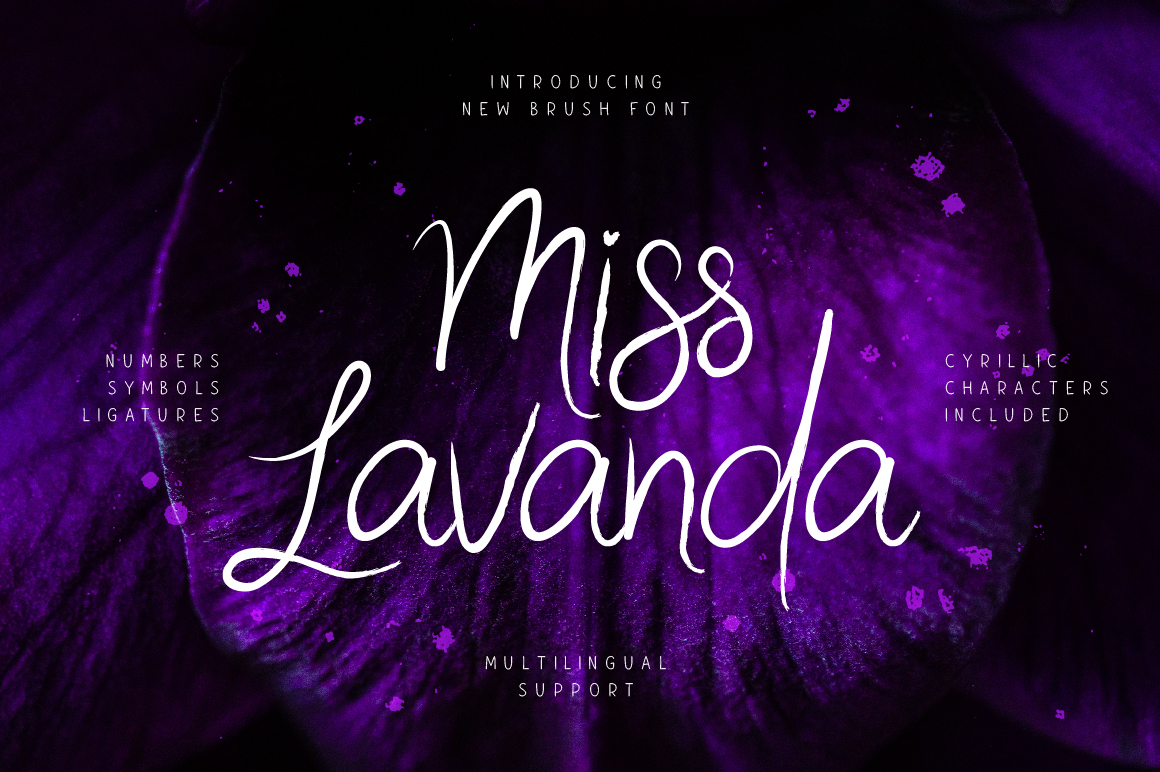
Miss Lavanda: Creative Inspiration for Designers and Makers
Miss Lavanda has quietly become a reference point for anyone looking to blend soft aesthetics with real creative purpose. Whether you encounter it as a design studio, a color philosophy, or a curated collection of visual tools, the name itself evokes a sense of calm refinement. But what exactly makes Miss Lavanda interesting, and more importantly, how can you use it in your own work? This article explores the practical side of that inspiration, showing how different creators, marketers, and entrepreneurs can turn a simple concept into something genuinely useful.
What Makes Miss Lavanda Stand Out
At its core, Miss Lavanda represents a thoughtful approach to creativity. It is not about loud statements or trend-chasing. Instead, it leans into muted tones, natural textures, and a quiet confidence that resonates with audiences tired of visual clutter. For designers, this means a palette that feels both grounded and aspirational. For writers and bloggers, it offers a tone that is warm without being sentimental. For small business owners, it provides a way to communicate trust and care without over-explaining.
The versatility of Miss Lavanda comes from its restraint. When you strip away unnecessary noise, what remains is clarity. That clarity is what makes it adaptable across formats, platforms, and industries. Whether you are building a brand identity, planning a content calendar, or designing a product line, the principles behind Miss Lavanda help you focus on what actually matters.
For Brand Designers and Visual Storytellers
If you work in branding, you know that consistency is everything. Miss Lavanda offers a framework that is easy to apply without feeling repetitive. Imagine a color system built around lavender, sage, and warm neutrals. That alone can anchor a brand identity for a wellness studio, a slow-fashion label, or a stationery shop. But the real value lies in how you extend that palette into typography, texture, and imagery. Use soft paper textures in backgrounds, pair clean sans-serif fonts with hand-drawn accents, and let negative space do the heavy lifting.
One practical application is creating mood boards that tell a story without words. Instead of cramming every possible reference into a single board, focus on three elements: a primary image that sets the mood, a secondary image that adds contrast, and a texture or pattern that ties everything together. This minimalist approach, inspired by the Miss Lavanda aesthetic, keeps your ideas clear and your clients aligned.
For Content Creators and Bloggers
Bloggers and social media creators often struggle with maintaining a cohesive look while staying original. Miss Lavanda helps by offering a tonal compass. If you write about slow living, creativity, or personal development, your visual language can mirror that calm, deliberate pace. Think flat-lay photography with natural light, handwritten quotes on unbleached paper, and a pastel-but-not-sweet color grading.
For written content, the same principle applies. Use short paragraphs, simple language, and avoid over-explaining. Let your ideas breathe. A Miss Lavanda-inspired blog post might open with a single observation, then expand through concrete examples rather than abstract promises. Readers appreciate when you trust them to follow your reasoning without being led by the hand.
For Entrepreneurs and Small Business Owners
Running a small business means wearing many hats, and your brand needs to work across email, social media, packaging, and your website. Miss Lavanda gives you a flexible system that adapts without losing its identity. For a handmade soap company, that might mean lavender fabric wraps, kraft paper labels with minimal ink, and product photos taken on a wooden table by a window. For a coaching practice, it could translate into a calm website with generous white space, a sans-serif typeface, and a lead magnet designed like a personal letter.
The key is to apply the same sensibility everywhere. When your packaging, your emails, and your social posts all share the same quiet quality, customers feel a sense of coherence. That coherence builds trust, and trust drives loyalty.
Adapting Miss Lavanda for Different Platforms
Every platform has its own language, but the underlying aesthetic can remain intact. On Instagram, Miss Lavanda translates well into carousel posts with muted gradients, slow-motion videos of natural textures, and captions that read like gentle advice. On Pinterest, the focus shifts to saveable inspiration: color swatches, room setups, and DIY project ideas. On a website or blog, the emphasis is on readability and atmosphere. Use generous margins, pastel accent colors for links or headings, and photographs that feel unhurried.
For email newsletters, consider a clean layout with a single column, a simple header, and plenty of breathing room around each block of text. A Miss Lavanda-inspired email feels like a handwritten note from a friend who respects your time. Avoid flashy graphics or urgent subject lines. Instead, rely on consistent sending schedules and genuinely useful content.
Practical Tips for Keeping Your Work Fresh and Consistent
Consistency does not mean monotony. To keep your Miss Lavanda-inspired projects feeling alive, introduce small variations in texture, tone, or format. For example, rotate between three color accents across seasons: soft lavender for spring, dusty rose for summer, and muted sage for autumn. This way, your audience recognizes the underlying style but sees something new each time.
Another practical recommendation is to build a simple style guide for yourself, even if you work alone. Document your core palette, preferred typefaces, image treatment rules, and tone of voice. This guide is not meant to restrict you, but to save you decision fatigue. When you know the parameters, you can experiment within them more freely.
Originality comes from how you combine elements, not from reinventing the wheel. Miss Lavanda is not a strict set of rules, it is a starting point. The most successful applications are those where the creator adds their own personality. A photographer might incorporate more shadow and grain. A writer might use longer sentences for a more meditative rhythm. A product designer might introduce unexpected materials like raw linen or unglazed ceramic.
Realistic Examples of Miss Lavanda in Action
Consider a small stationery brand launching a new line of notebooks. Instead of bright covers and bold logos, they choose soft lavender cloth bindings with foil-stamped numbers. The product photos show the notebooks on a weathered wooden desk next to a cup of tea. The website copy reads: "For thoughts that deserve a quiet place." That is Miss Lavanda in practice. It is not trying to shout. It is inviting you to look closer.
Or think about a freelance graphic designer updating their portfolio. They use a single muted color throughout, with high-quality project images arranged in a clean grid. Each case study is three paragraphs max, followed by the client's name and a short testimonial. The footer simply says "Available for new projects" with an email link. No fluff, no awards, no distracting animations. The work speaks for itself.
These examples work because they respect the audience's intelligence. They assume visitors can recognize quality without being told how to feel. That respectful distance is a hallmark of the Miss Lavanda approach.
How to Get Started with Your Own Projects
You do not need to overhaul everything at once. Start with one project, maybe a social media template or a product page. Choose two or three colors that feel calm and intentional. Write a short description that states what you offer without embellishment. Take a photo with natural light and a simple background. Then, look at the result and ask yourself: does this feel clear? Does it feel honest? If yes, you are on the right track.
From there, apply the same thinking to other pieces. A business card. A newsletter header. A blog post layout. Over time, you will build a body of work that feels unmistakably yours, informed by the quiet confidence of Miss Lavanda but driven by your own creative instinct.
Whether you are a designer, a writer, a shop owner, or someone simply looking for a more grounded way to express ideas, Miss Lavanda offers a vocabulary that is both accessible and endlessly adaptable. Use it as a lens, not a cage. Let it guide your choices without dictating them. The best results come when you take a thoughtful framework and fill it with your own energy and purpose.